
Thanks to everyone who took part in this research I led for the Neurodivergent Task & Finish Group! We explored neurodivergent perspectives on a strengths & needs-led approach in schools—support that focuses on strengths and support needs, and can be used without waiting for a diagnosis.

Key takeaways:

🌱 Promising but fragile ➕ Should complement, not replace, diagnosis 👥 Must be genuinely co-produced
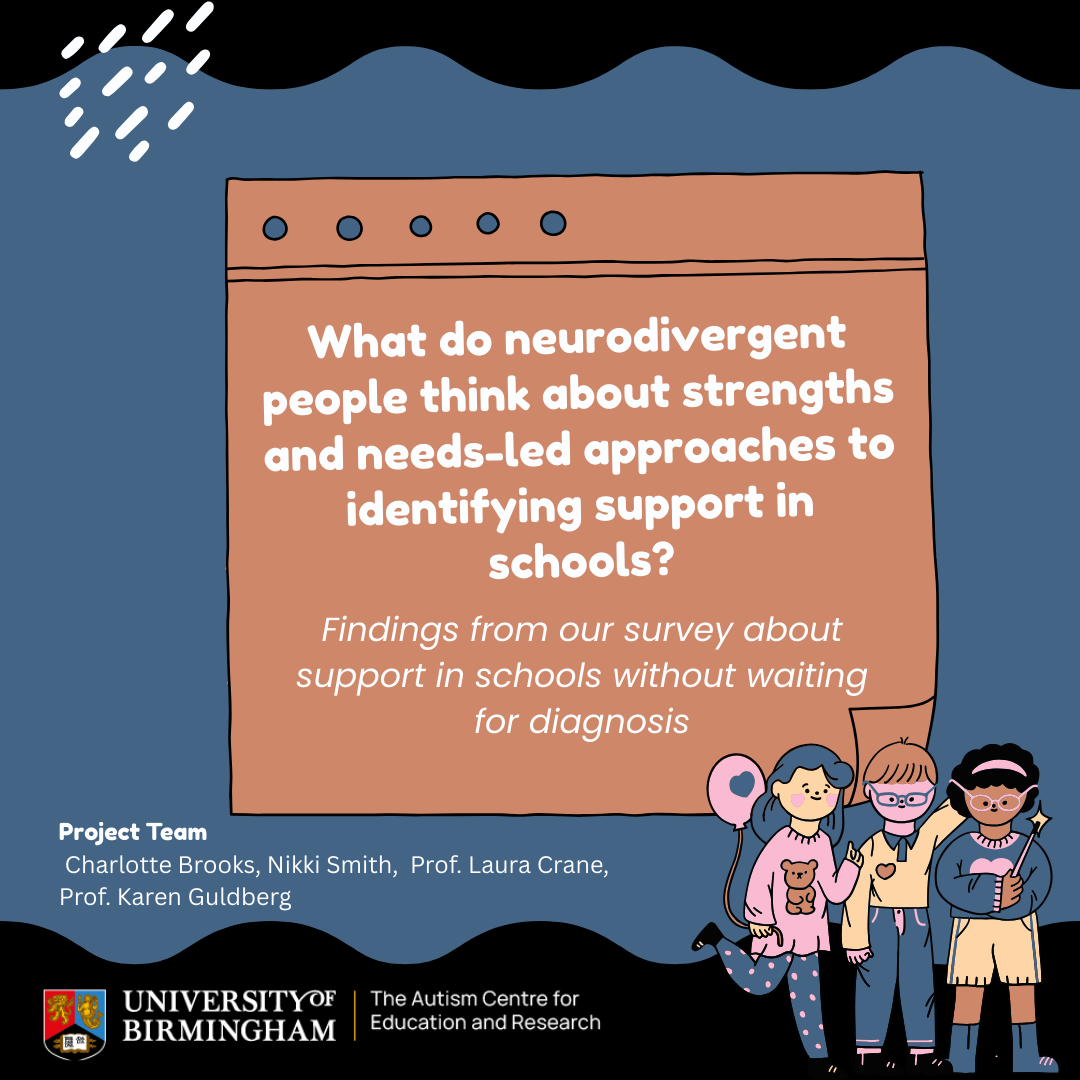
A diverse group of people is depicted under a title 'What do neurodivergent people think about strengths and needs-led approaches to identifying support in schools?' The project was led by a team at the University of Birmingham: Charlotte Brooks, Nikki Smith, Prof. Laura Crane and Prof. Karen Guldberg.

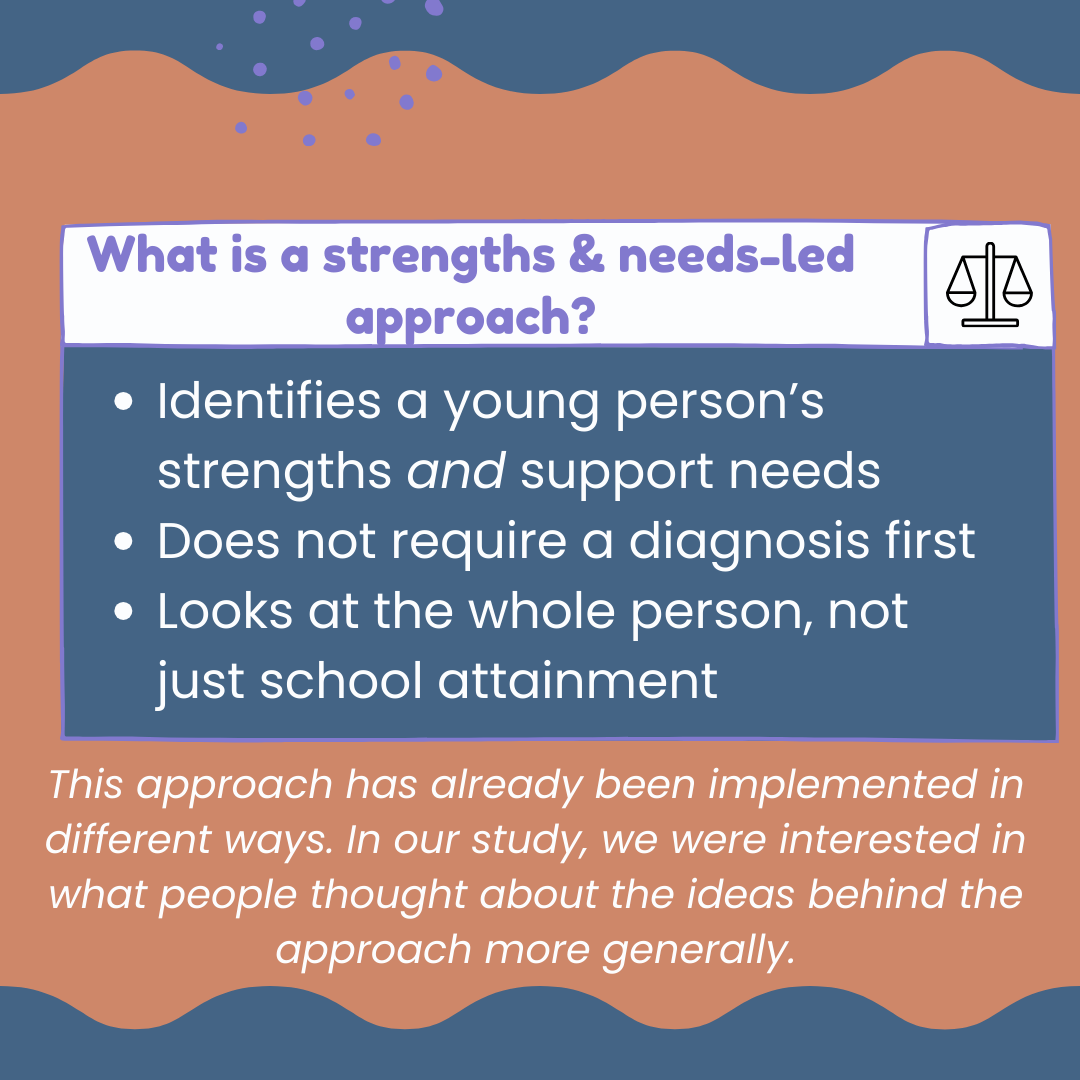
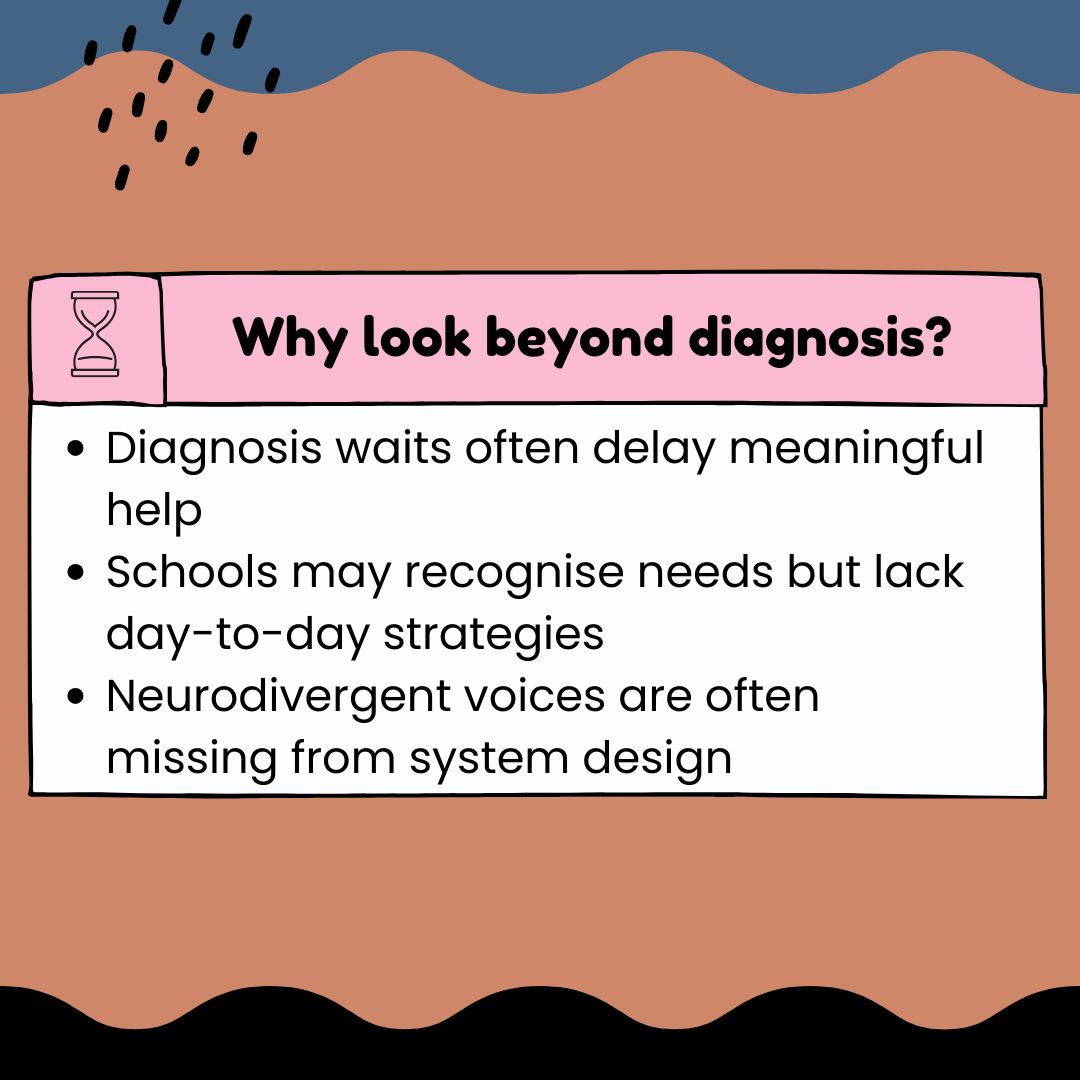
Why look beyond diagnosis? Diagnosis waits often delay meaningful help. Schools may recognise needs, but lack day-to-day strategies. Neurodivergent voices are often missing from system design.What is a strengths and needs-led approach? Identifies a young person’s strengths and support needs.
Does not require a diagnosis first
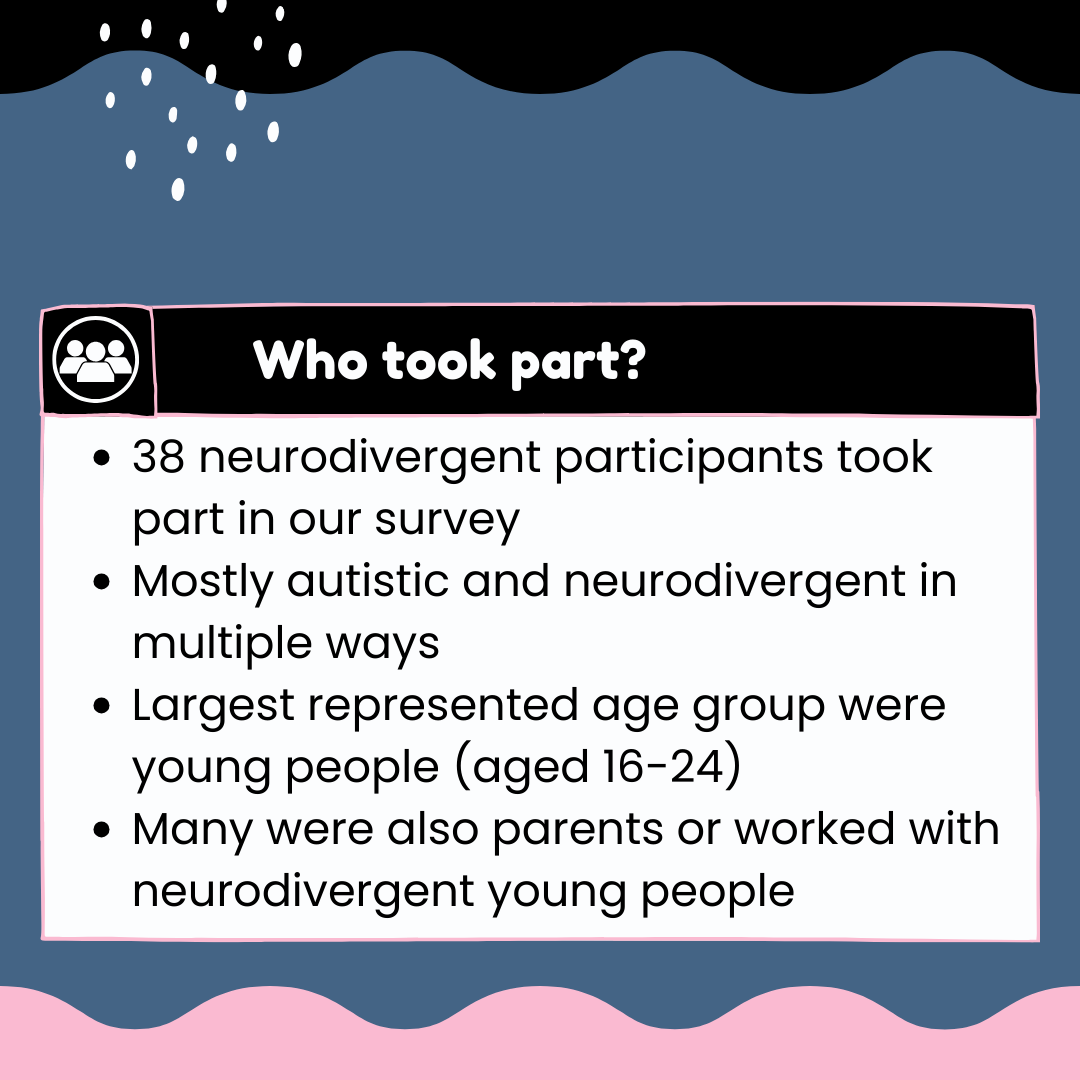
Looks at the whole person, not just school attainment. This approach has already been implemented in different ways. In our study, we were interested in what people thought about the ideas behind the approach more generally.Who took part in the survey? 38 neurodivergent participants took part in our survey.
Mostly autistic and neurodivergent in multiple ways.
Largest represented age group were young people (aged 16-24).
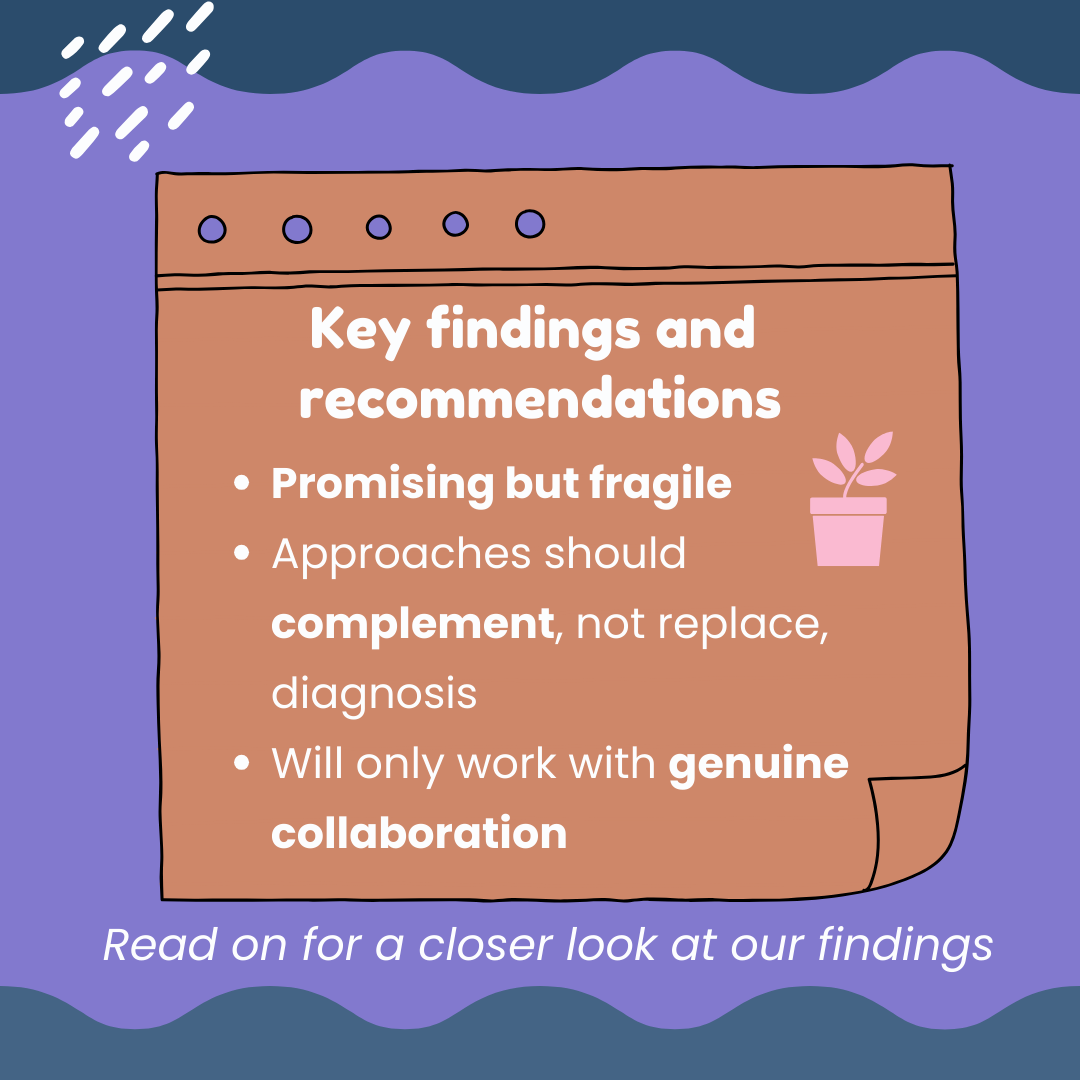
Many were also parents or worked with neurodivergent young people.A notepad-style graphic with key findings and recommendations. The approach is: Promising but fragile.
Approaches should complement, not replace, diagnosis.
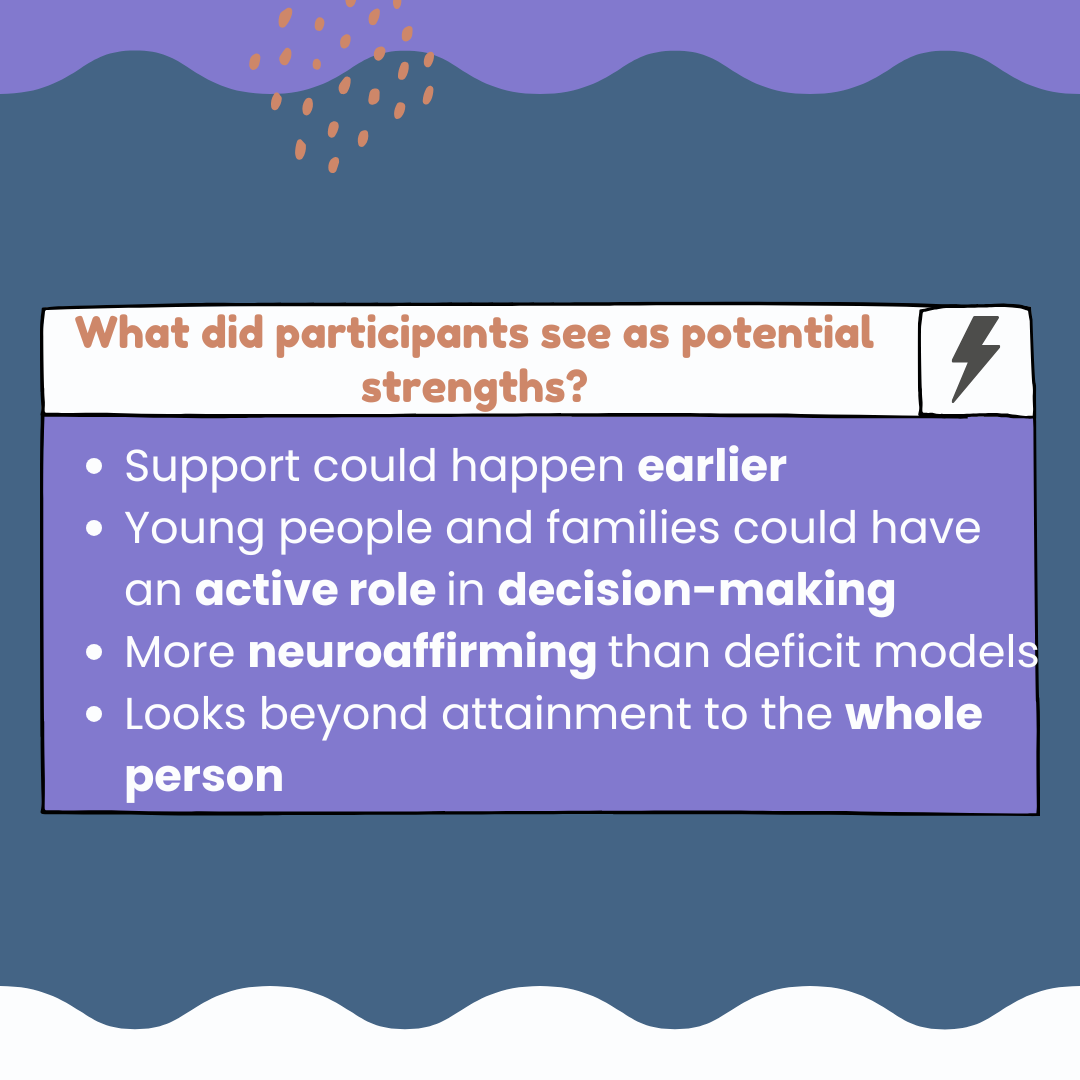
Will only work with genuine collaboration.What did participants see as potential strengths? Support could happen earlier
Young people and families could have an active role in decision-making
More neuroaffirming than deficit models
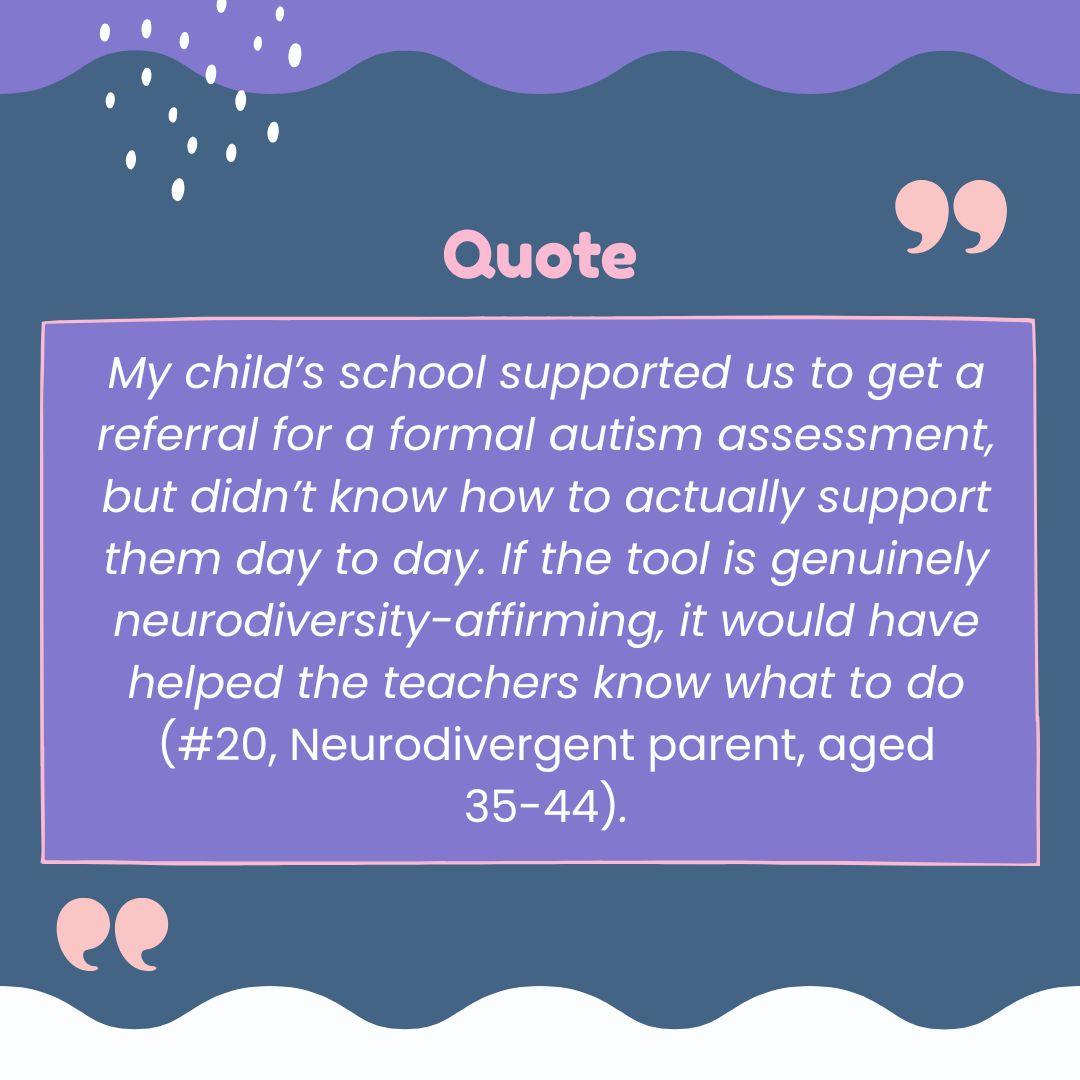
Looks beyond attainment to the whole personA quote from a neurodivergent parent: My child’s school supported us to get a referral for a formal autism assessment, but didn’t know how to actually support them day to day. If the tool is genuinely neurodiversity-affirming, it would have helped the teachers know what to do (#20, Neurodivergent parent, aged 35-44).
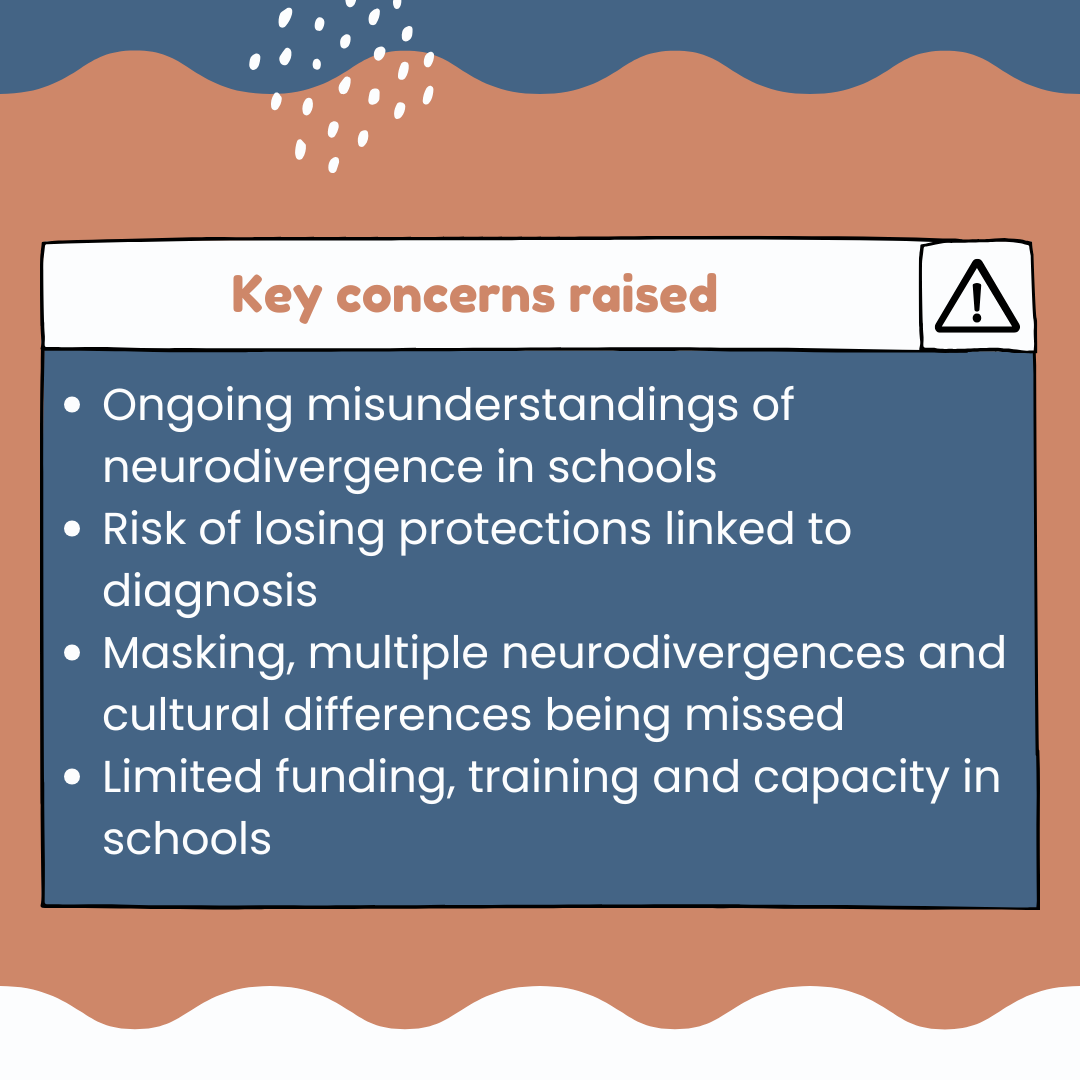
Key concerns raised: Ongoing misunderstandings of neurodivergence in schools
Risk of losing protections linked to diagnosis
Masking, multiple neurodivergences and cultural differences being missed
Limited funding, training and capacity in schoolsQuotes from 3 participants: Reports like these don’t always have the clout or the same protections [as a diagnosis] (#2, Neurodivergent person, aged 25-34); Many schools are already strained as they are (#15, Neurodivergent person, aged 16-24); Until the resourcing problem at the heart 
of the issue is improved, everything else 
can only make small changes here and there.
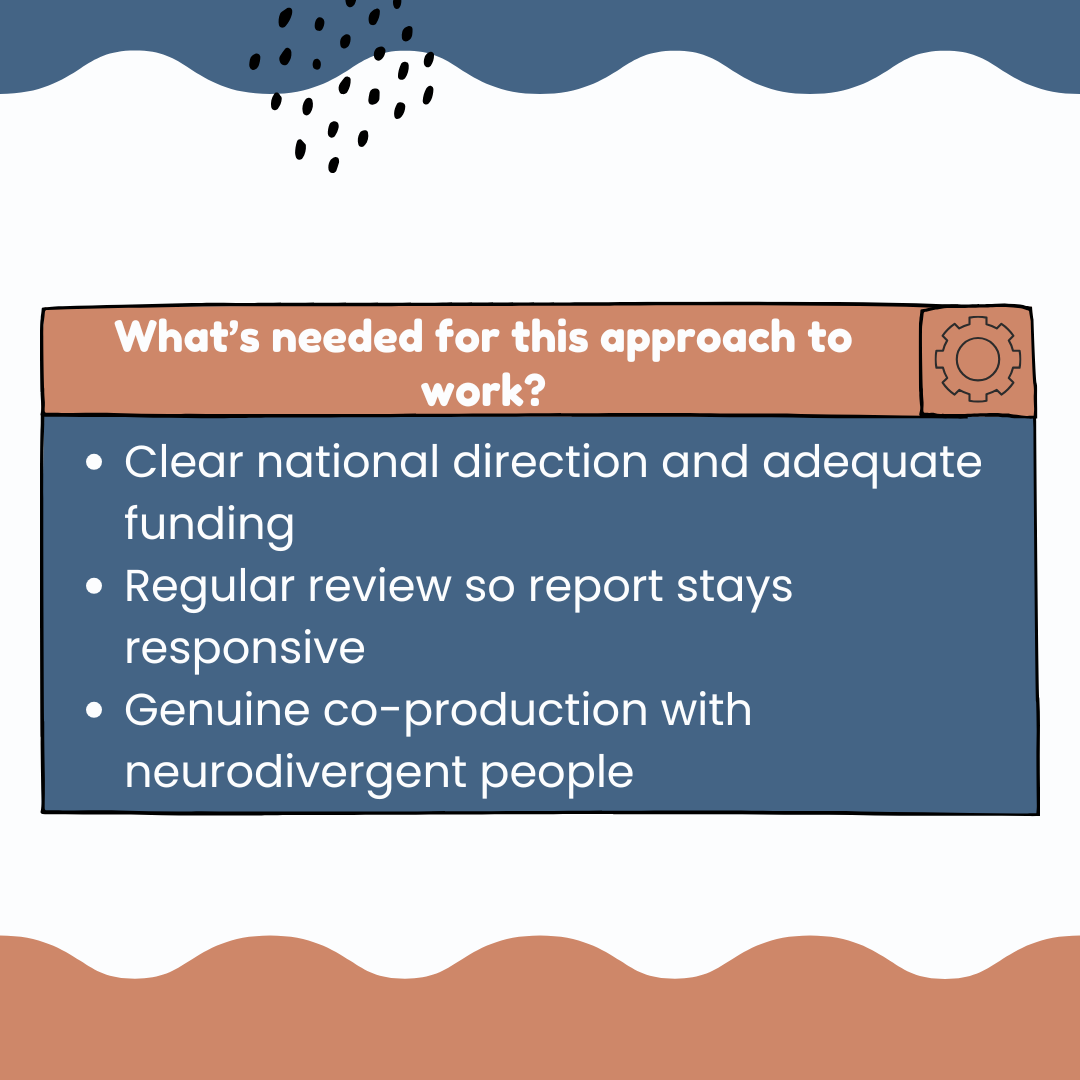
(#1, Neurodivergent person, aged 35-44).What's needed for this approach to work? Clear national direction and adequate funding
Regular review so report stays responsive
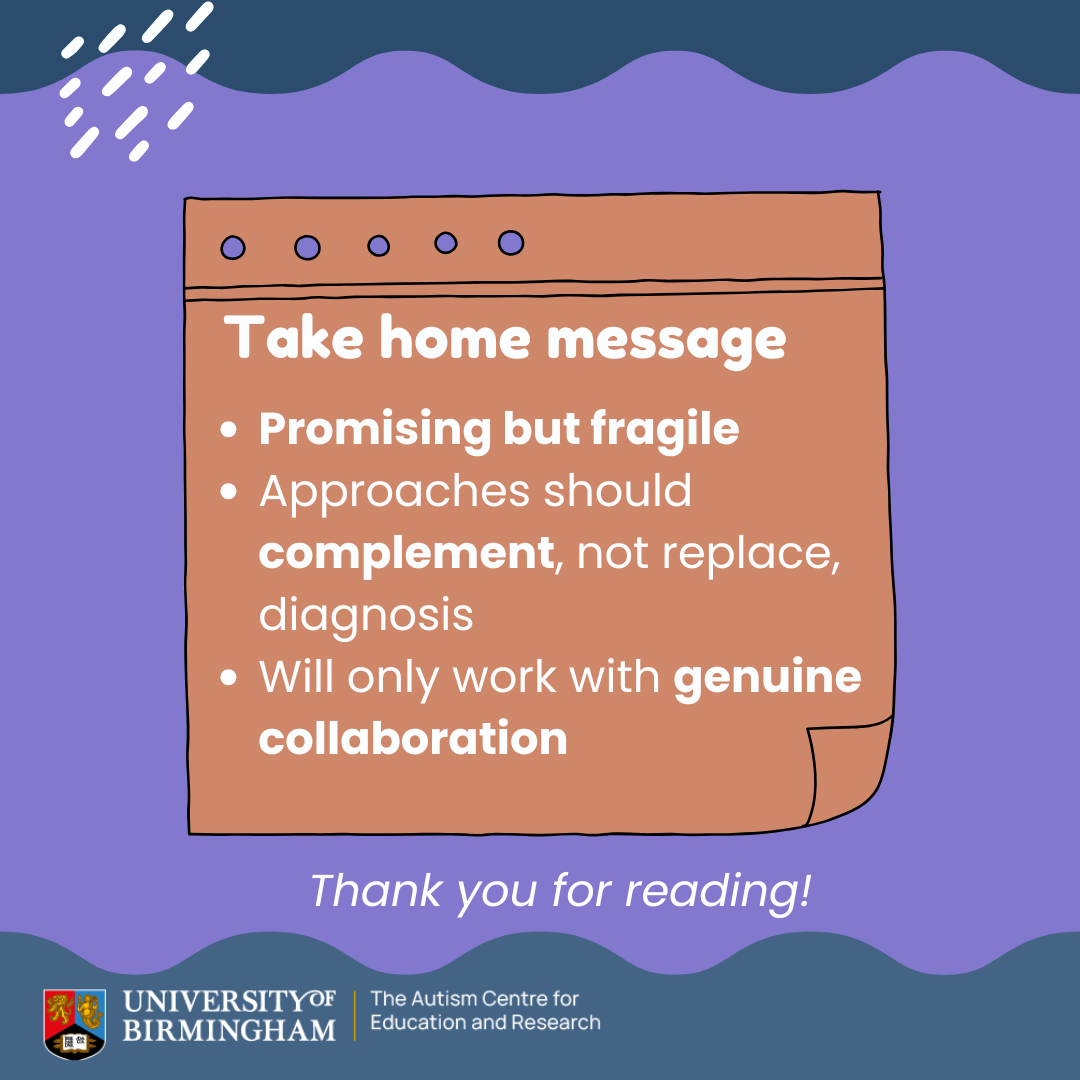
Genuine co-production with neurodivergent peopleA reminder of the key take-home message: Promising but fragile
Approaches should complement, not replace, diagnosis
Will only work with genuine collaboration.